
Discover ResearchComp: A tool to explore and develop research skills

Do you need to test your research skills? The European Commission has recently launched a new self-assessment tool based on ResearchComp, the European Competence Framework for Researchers. The tool helps researchers explore their skills and identify areas for further development. ResearchComp supports the assessment and growth of research competences across key areas, contributing to professional […]
European Commission Call for Evidence on ERA Act open until 10 September

The European Commission has opened a Call for Evidence on the ERA Act, inviting stakeholders and organisations across Europe to share their views. The call, launched on 6 August 2025, will remain open until 10 September 2025.
Supporting attractive research careers: results of European Mutual Learning Exercise now available
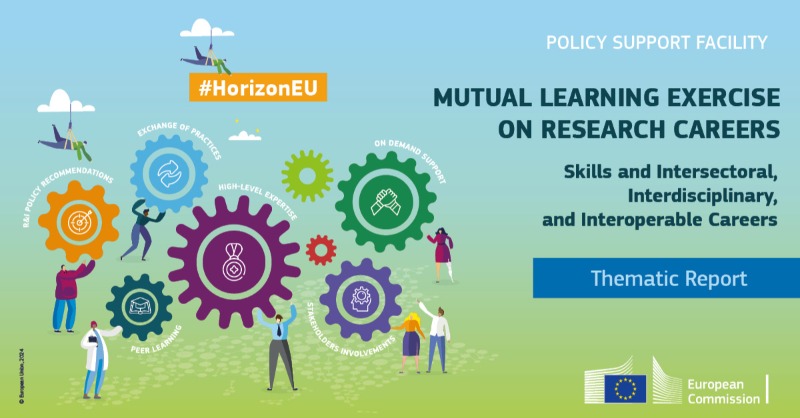
The results of the Mutual Learning Exercise (MLE) on Research Careers, an initiative to support more attractive and sustainable research careers across Europe, are now available. The MLE, coordinated by the European Commission, brought together policymakers and experts from across the EU to exchange best practices and generate actionable recommendations aligned with the Council Recommendation […]
widerAdvance Facility: individual support to maximise the impact of your research

The widerAdvance Facility, launched in January 2025 under Horizon Europe, offers something rare: fully tailored, expert support to help research-performing organisations in Widening Countries and Outermost Regions boost the visibility, uptake, and long-term impact of their EU-funded results. This initiative is all about helping you turn research outcomes into real-world benefits—whether that means building better […]
European Commission Adopts ERA Policy Agenda 2025–2027: A Renewed Vision for Research and Innovation
On 28 February 2025, the Commission adopted the new ERA Policy Agenda for 2025–2027 to strenghten R&I across the EU. Created together with Member States and stakeholders, the agenda outlines 11 long-term structural ERA policies and 8 ERA actions focused on making research more inclusive, sustainable, and impactful— especially in support of Europe’s green and digital transitions.
Choose Europe: A New Era for Research Careers in the EU
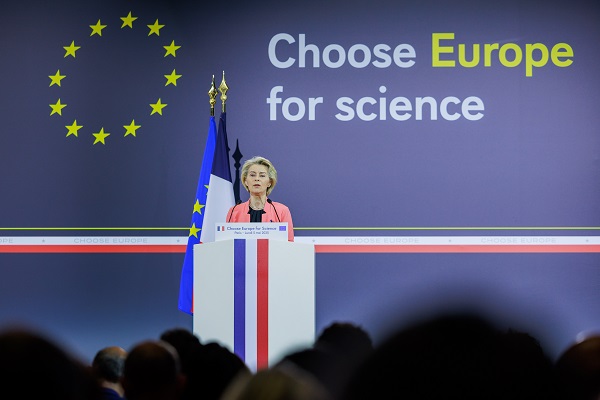
The European Union is taking bold steps to secure its position as a leader in research and innovation. With the newly announced Choose Europe Initiative, the European Commission aims to make Europe a magnet for top scientific talent, ensure scientific freedom, and accelerate the journey from discovery to market.
The European Research Area at 25: A legacy of progress and a future of innovation
Imagine a Europe where scientists, researchers, and innovators move freely, where groundbreaking ideas transcend national borders, and where research funding is readily accessible to the brightest minds. This vision began to take shape with the launch of the European Research Area (ERA) in 2000. ERA was founded on a simple yet ambitious goal: to create […]
Hot off the press! ERA Conference summary report.

The ERA Conference Report is here! Explore the report from the European Commission conference “European Research Area: Fostering Greater Integration. Advancing Competitiveness” which took place in September in Brussels and was supported by INSPIRING ERA.
Supporting ERA priorities through Horizon Europe: new content, resources and tools published on ERA platform
New content has been published on the ERA Platform on how Horizon Europe supports the implementation of the European Research Area. Each webpage includes a short explainer on Horizon Europe support to specific ERA policy priorities, a showcase of key resources, tools and videos from funded activities, and an overview of past and new calls. […]
Commission analyses potential to boost European Research Area

The European Commission recently published a Communication on the implementation of the ERA. It concludes that the EU has made progress in creating a more integrated research and innovation market, but needs to address low private investment, improve access to opportunities, increase economic impact and support researchers’ career development.