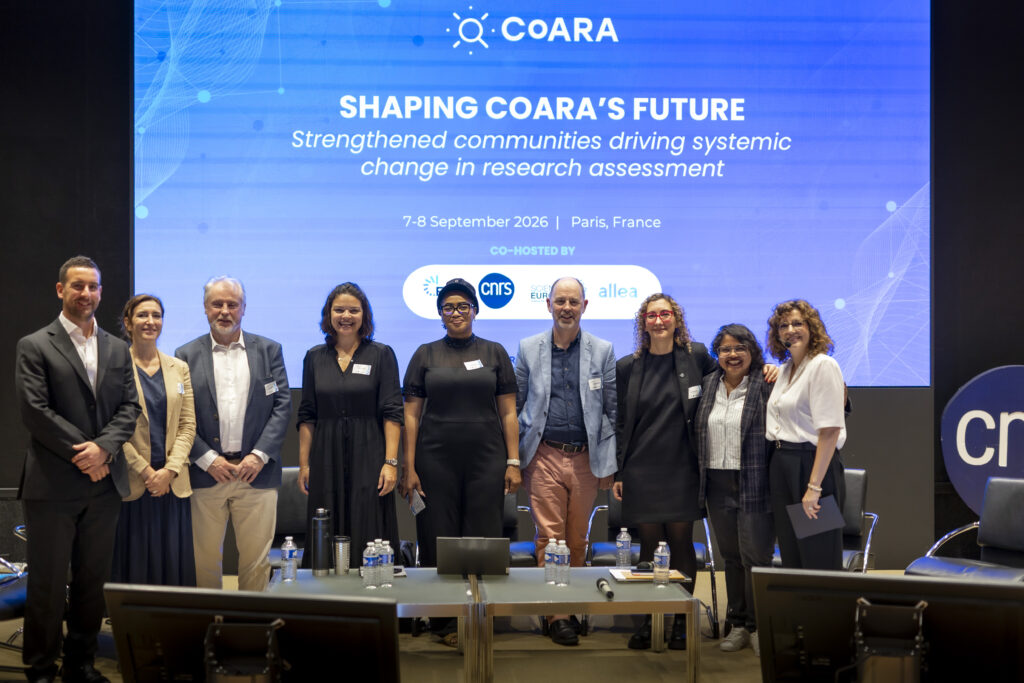
On 7-8 September 2026, a CoARA conference brought together 130+ representatives from universities, academies, funding organisations, research performing organisations, national authorities, policymakers, and more in Paris, France. Co-hosted by the ESF, CNRS, Science Europe, and ALLEA, the event marked the first time that CoARA’s diverse implementation communities, including Working Groups,
INSPIRING ERA’s new Policy Brief on Knowledge Valorisation explores how research is translated into economic and societal value across Europe — and what researchers, institutions, Member States and the EU can do to make that process work better. Europe produces excellent research. But what happens after a new finding, method
As the PATTERN project comes to an end in June 2026, it leaves behind a reminder for Europe’s research community: open and responsible research does not happen by accident. It needs to be learned, practised, supported and recognised.
The European Commission has published the ERA Scoreboard 2025, offering the latest evidence on progress towards the ERA priorities at EU and national levels.
The second edition of Science Comes to Town has officially been launched - bringing research and innovation directly into communities across Europe. The 2027 edition will see four cities take centre stage: Aarhus (Denmark), Genoa (Italy), Kaunas (Lithuania), and Oeiras (Portugal).
On 11 March 2026, the INSPIRING ERA project hosted an online event bringing together around 300 participants from across Europe to explore how knowledge valorisation can support the transition from research to real-world impact across Europe. Organised in collaboration with UAS4EUROPE, the event focused on showcasing European tools, policy developments